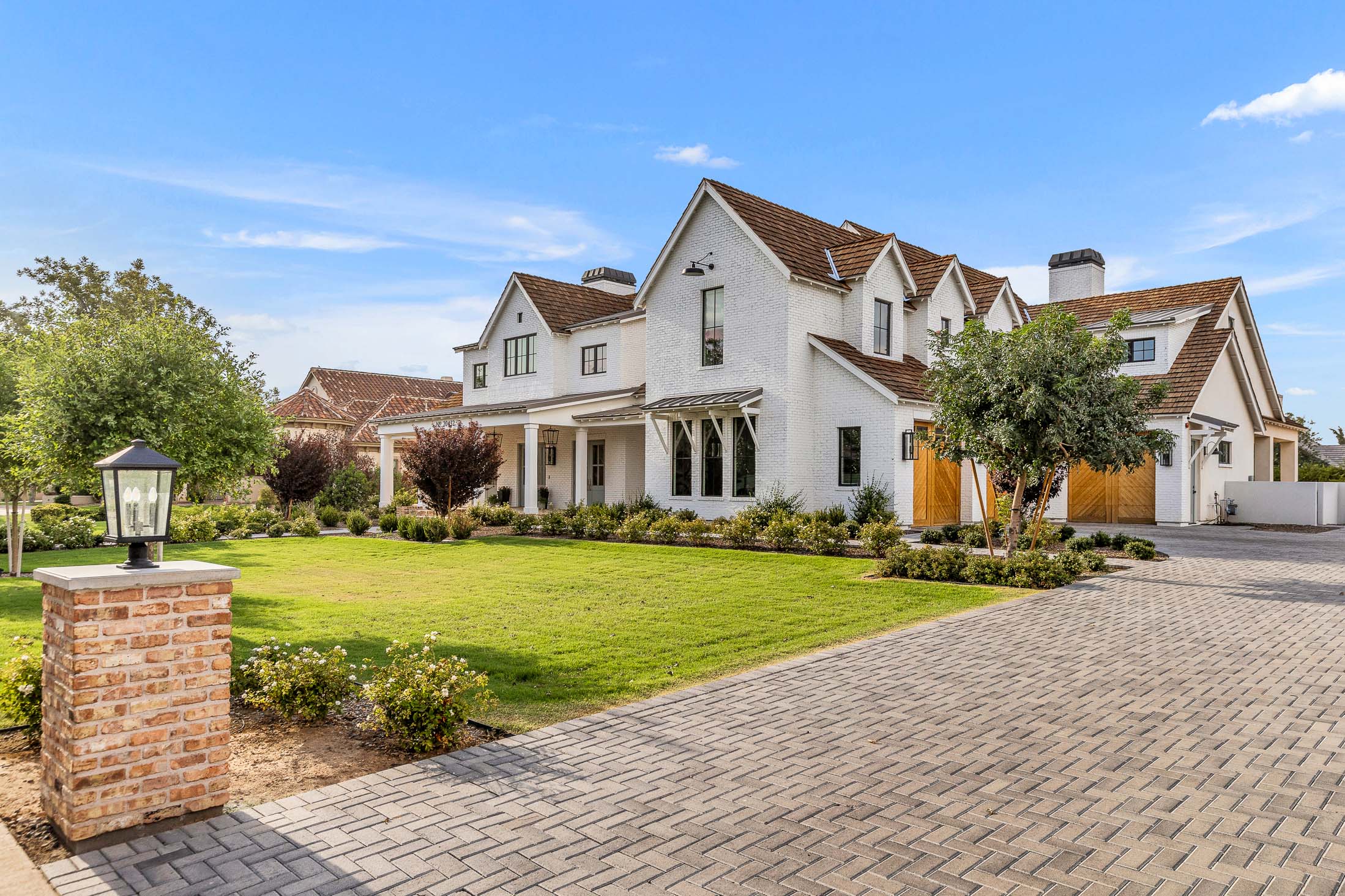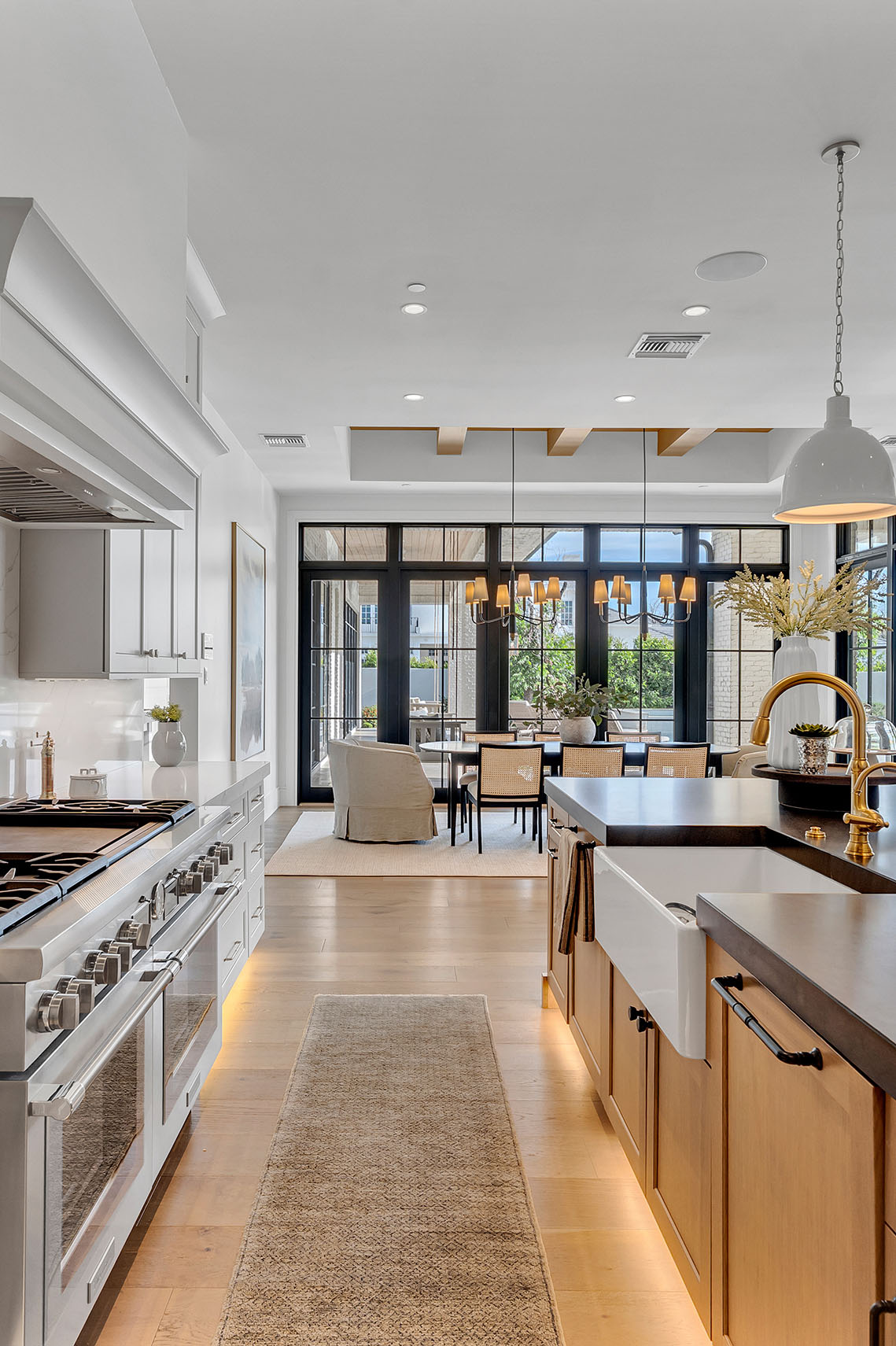



If you’ve ever Googled general contractor vs builder, you’ve probably found a lot of answers that sound correct but still leave you feeling unsure. Because in real life, people use these words interchangeably. A “builder” might call themselves a contractor. A contractor might say they “build homes.” And then someone will throw in “design-build,” “construction manager,” or “owner-builder,” and suddenly you’re deep in a rabbit hole when all you really want to know is: who should I hire for my project?
Here’s the clean, practical breakdown.
A general contractor (GC) is primarily responsible for managing the construction work and trades, keeping the job moving, and ensuring the build is executed safely and to code.
A builder (especially a custom home builder) is typically a company that delivers an entire home-building experience, often including pre-construction planning, budgeting, scheduling, trade partner relationships, and a standardized process for getting from concept to completed home. Some builders are also GCs. Some GCs operate like builders. The difference usually comes down to scope, systems, accountability, and how integrated the experience is.
At The Ashtin Group, we work with clients who want clarity, craftsmanship, and a high-touch process that matches the scale and significance of building a home. This article is meant to help you make a confident decision, whether you’re planning a custom build, a major renovation, or a new home with elevated design details. We’ll also reference Designly Done (our curated home décor and design boutique) because building a beautiful home doesn’t end at drywall and trim. The finishing layers matter, and the best results come when construction and design speak the same language.
What Is a General Contractor?
A general contractor is the person or company responsible for coordinating and overseeing the construction phase of a project. They’re the hub between you (the homeowner), the subcontractors (trades), inspectors, and suppliers.
What a general contractor typically does:
- Manages the build schedule
They sequence the work so trades arrive in the correct order. Example: framing before rough plumbing, insulation before drywall, etc. - Hires and coordinates subcontractors
Electrical, plumbing, HVAC, framing, concrete, roofing, drywall, painting, tile, finish carpentry, landscaping, and more. Some GCs self-perform parts of the work, but most coordinate trades. - Pulls permits and arranges inspections (depending on jurisdiction and contract)
A GC often manages permitting, inspection scheduling, and correction items. - Orders materials and oversees deliveries
They confirm lead times, coordinate storage, and prevent bottlenecks. - Quality control and code compliance
They ensure work meets building codes and project specifications, and they address mistakes or rework. - Budget management and change orders
They track costs, approve invoices, and document changes.
A general contractor is usually best for:
- Remodels and renovations (kitchen remodel, primary suite addition, basement finish, whole-home remodel)
- Homeowners who already have complete plans and selections ready to go
- Projects where the homeowner is very involved and wants to manage some decisions directly
- Situations where you’re bringing your own architect/designer and need a construction professional to execute
Potential limitations with a GC (not always, but common):
- You may be responsible for more decisions earlier than you expect (plans, selections, finish details, fixture specs)
- If the GC doesn’t run a strong pre-construction process, budgeting surprises can show up mid-build
- Some GCs are excellent at building but less organized with documentation, timelines, or client communication (you’ll want to vet this)
What Is a Builder?
The word “builder” can mean a few things, so let’s define it in the way that matters to homeowners.
A builder is a company responsible for delivering a completed build, often with an end-to-end process that includes pre-construction planning and guidance, and sometimes design integration.
There are several types of builders:
- Production builder
Builds many homes using a set of plans with limited customization. They may develop subdivisions and offer upgrade packages. - Semi-custom builder
Uses a set of base plans but allows meaningful customization and higher-end finishes. - Custom home builder
Builds one-of-one homes tailored to your land, lifestyle, architecture, and design preferences. The process is typically more consultative, and the budget/schedule planning is more detailed.
In the luxury space, a custom home builder is often more like a project delivery team than a single role. They bring systems, trade partner networks, pre-construction discipline, and design-sensitive execution.
What a custom home builder typically does (beyond a GC):
- Pre-construction planning
This includes early budgeting, constructability review, value engineering (without cheapening the home), schedule planning, and decision timelines. - Integrated project management
Builders often provide a more structured communication system, consistent documentation, and regular progress reporting. - Higher accountability for the whole experience
Instead of “we build what’s on the plans,” it becomes “we own the process of bringing this home to life.” That’s a mindset shift that matters. - Established trade partner relationships
The best builders have trades who understand their standards, details, and expectations. That consistency shows up in the final product. - Design-forward execution
Luxury homes require precision. Details like drywall returns, reveal lines, millwork symmetry, stair geometry, lighting placement, and tile layout aren’t “extras.” They’re the difference between a home that looks expensive and a home that feels intentional.
A builder is usually best for:
- New construction (custom homes, high-end new builds)
- Clients who want a guided process from early decisions through completion
- Projects where schedule and budget certainty matter
- Homeowners who care about finish quality and design alignment
- Clients who want a single accountable team rather than coordinating multiple vendors themselves
General Contractor vs Builder: The Clearest Differences
Here’s the simplest way to compare builder vs contractor without getting lost in semantics.
1. Scope: Execution vs Delivery
- General contractor: primarily executes the construction scope.
- Builder: delivers the home-building process, often starting earlier and guiding more decisions.
2. Pre-Construction Depth
- GC: may offer a bid once plans are complete. Some do pre-construction well, but it varies.
- Builder: typically has a defined pre-construction process, including budgeting, scheduling, and decision planning.
3. Systems and Documentation
- GC: depends on the individual company. Some are highly organized; others are more informal.
- Builder: more likely to have consistent systems for selections, change orders, schedules, and communication.
4. Design Integration
- GC: often works from completed plans and specs; design coordination may sit with you or your designer.
- Builder: often collaborates earlier, helping align design intent with real-world construction methods, lead times, and budgets.
5. Trade Network and Quality Consistency
- GC: may have a smaller or more variable trade network depending on project type.
- Builder: often maintains a strong bench of trades familiar with their expectations and quality standards.
6. Client Workload
- GC: you may carry more responsibility for selections, product sourcing, and coordination with designers.
- Builder: you typically get more guidance, guardrails, and process support.
Cost differences: is a builder more expensive than a general contractor?
Sometimes yes on paper, but not always in reality.
It’s common to assume a GC is cheaper and a builder is more expensive. The truth is: the delivery model impacts risk, change orders, timeline, and finish quality. Those factors affect the final cost.
A GC may present a lower initial number because:
- The estimate is based on limited assumptions
- Fewer pre-construction hours are included
- Some items are not fully specified yet (allowances)
- The scope may not include the full level of detail you expect in a finished luxury home
A builder may look higher initially because:
- The budget is more complete earlier
- There’s more structure around selections and specifications
- You’re paying for a process that prevents expensive surprises later
- The builder may include more project management, quality control, and communication overhead (which protects timeline and outcome)
If your goal is the best home for your budget, the question isn’t “who is cheaper?” It’s “who will help me control costs and protect the end result?”
Design-Build vs General Contractor vs Builder
You’ll also hear the term design-build. Design-build is a project delivery method where design and construction are contracted together through one team.
- Traditional model: you hire an architect/designer, get plans, then bid the job to a GC or builder.
- Design-build model: you hire one team that manages design and construction as a unified process.
Design-build can reduce friction and improve decision-making because the builder’s construction knowledge informs design choices early. It can also accelerate timelines when structured well.
Many custom home builders (including luxury firms) operate in a collaborative way that feels design-build, even if the legal contracts are separate. What matters most is whether your team coordinates early and owns the details.
How to choose: general contractor or builder?
Ask yourself these questions. Your answers will make the decision obvious.
1. Is this new construction or a remodel?
- New custom home: builder is usually the better fit.
- Remodel/renovation: GC may be ideal, especially if they specialize in remodels.
2. Do you already have complete plans and selections?
- If you have full plans, engineering, and a clear spec package, a GC can price and execute cleanly.
- If you’re still deciding finishes, layout tweaks, structural options, or major systems, a builder’s pre-construction process is a huge advantage.
3. How much time and mental bandwidth do you have?
- A high-end build has thousands of micro-decisions. If you want guidance and a clear decision timeline, you’ll likely prefer a builder with a structured process.
4. How important is finish quality and design precision?
- If you care about clean lines, consistent details, and a cohesive aesthetic, choose a team with proven design-sensitive execution. That’s where custom builders tend to shine.
5. How comfortable are you managing multiple vendors?
- If you’re the type who wants to coordinate architect, designer, GC, trades, and suppliers, you can create a great outcome with the right GC.
- If you want one accountable partner to orchestrate it, a builder is often the better match.
What to look for when hiring either one:
Whether you hire a general contractor or a builder, these are the non-negotiables if you want a smooth project.
- A clear, written scope of work
You should see what’s included, what’s excluded, and what assumptions exist. - Transparent budgeting
Ask how allowances are set, how change orders work, and how cost tracking is reported. - A realistic schedule with decision milestones
Not just “12 months.” You want phases, lead time planning, and a clear understanding of what delays a project. - Proof of quality
Tour completed projects. Ask to see finish details up close. Look at trim, tile alignment, cabinetry fit, paint lines, flooring transitions, stair details, and hardware placement. - Communication cadence
Who is your point of contact? How often do you get updates? What platform do they use for documentation? - Trade partner consistency
Ask how long they’ve worked with their key subs and how they handle quality control. - References that match your project type
A remodel reference isn’t the same as a new luxury build reference. Make sure their best work aligns with your project.
Where Designly Done fits into the conversation
This is where most articles stop, but real homeowners know the truth: the home isn’t finished when construction ends.
Designly Done is a curated home décor and design boutique created to help people bring the final layers to life: furnishings, lighting, textiles, styling pieces, and the details that make a space feel complete. When you’re building (especially custom), you’re not just choosing materials. You’re shaping how the home will feel day-to-day.
Here’s how referencing Designly Done supports better outcomes during a build:
- You can make design decisions earlier with more confidence (fewer last-minute swaps)
- Your construction details can anticipate the look you’re actually going for (lighting, millwork, hardware, paint tones)
- Styling and furnishings become a continuation of the build, not a separate scramble after move-in
If you’re building with The Ashtin Group, the goal is a cohesive result: architecture, interiors, craftsmanship, and finishing layers that all belong together. Designly Done helps bridge the gap between “the house is done” and “the home feels finished.”
Pick the partner who matches the level of outcome you want
If you’re deciding between a general contractor vs builder, you’re really deciding between two different experiences.
A general contractor is often the right choice when you have complete plans and want a professional to execute construction efficiently, especially for remodels.
A builder is often the right choice when you want a guided, end-to-end process that protects budget, timeline, and finish quality, especially for new custom homes and luxury builds where the details matter.
If you want a home that feels intentional from the framing stage to the final styling layer, it helps to work with a team that understands both the construction reality and the design vision. That’s the space The Ashtin Group was built for, and it’s also why referencing Designly Done makes sense: it’s the continuation of the same philosophy—beautiful, livable, finished.
If you’re planning a custom home or a high-end renovation in Utah County or Wasatch County, explore The Ashtin Group’s portfolio and process, then reach out to schedule a consultation. And when you’re ready to bring the finishing layers to life, browse Designly Done for curated pieces that make your new home feel complete.
Not always. A general contractor manages construction execution. A builder (especially a custom home builder) typically delivers a broader end-to-end process that includes pre-construction planning, budgeting, scheduling, and design-sensitive coordination. Many builders are licensed as general contractors, but not all general contractors operate like full-service builders.
Most remodels are a great fit for a general contractor who specializes in renovations. For high-end, whole-home remodels where design and construction coordination is complex, a builder-style team with strong pre-construction systems can be a major advantage.
A production builder offers a set of plans with limited customization, often in subdivisions. A custom home builder creates a one-of-one home tailored to your land, lifestyle, architecture, and finishes, with more flexibility and typically higher craftsmanship expectations.
Sometimes the initial number can look lower with a GC, but the final cost depends on how complete the scope is, how allowances are set, and how well pre-construction planning is handled. A builder’s structured process can reduce surprises, delays, and change orders, which protects the final budget.
Design-build means one team manages both design and construction through one coordinated process. It can reduce friction and improve decision-making early. It’s a strong option when you value a streamlined experience and want construction expertise influencing design choices from the start.
Look for a proven process, transparent budgeting, strong trade relationships, and finished projects that match your taste and quality expectations. Tour their work, ask about pre-construction, and make sure their communication style fits how you want to be guided.