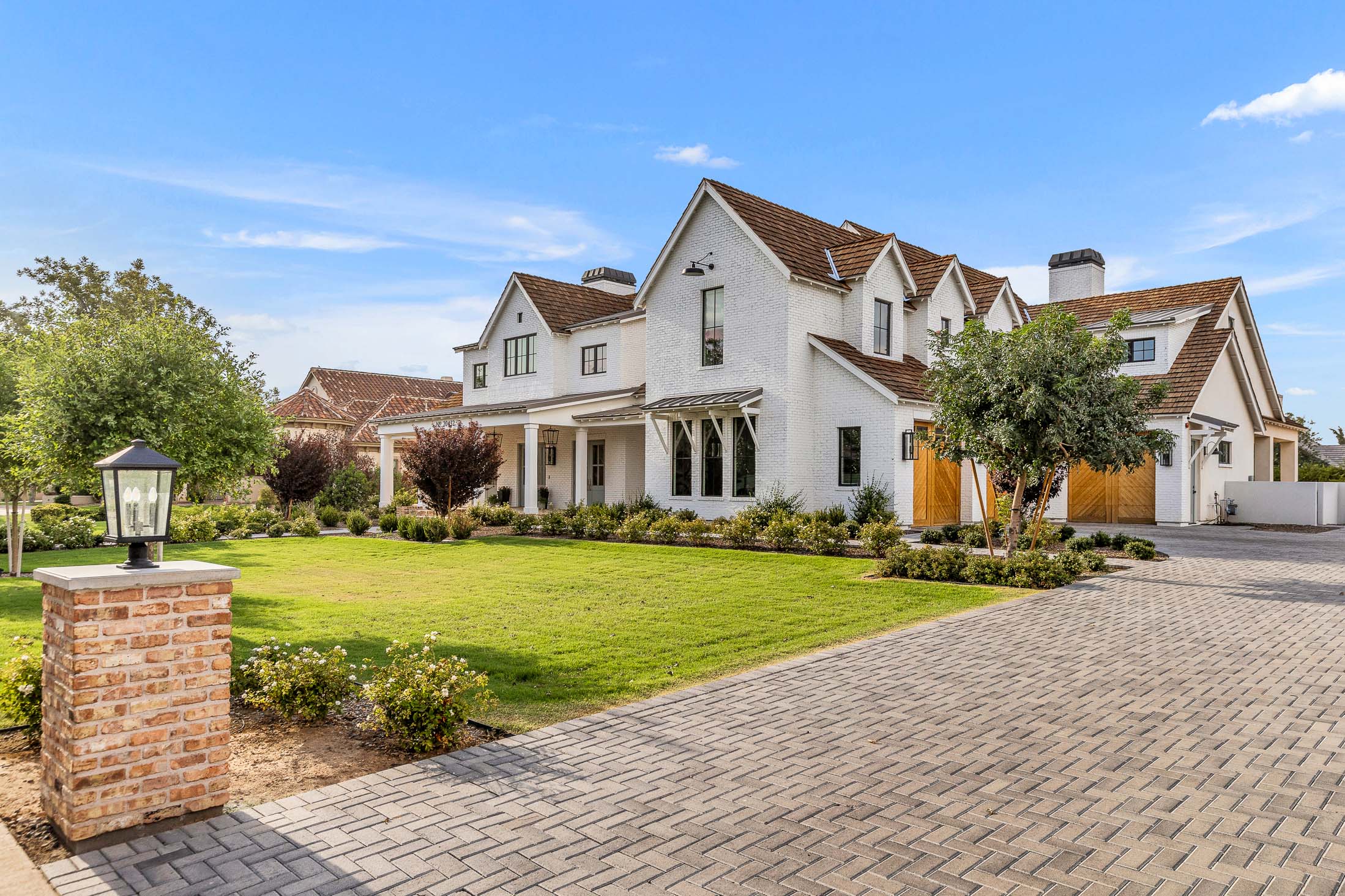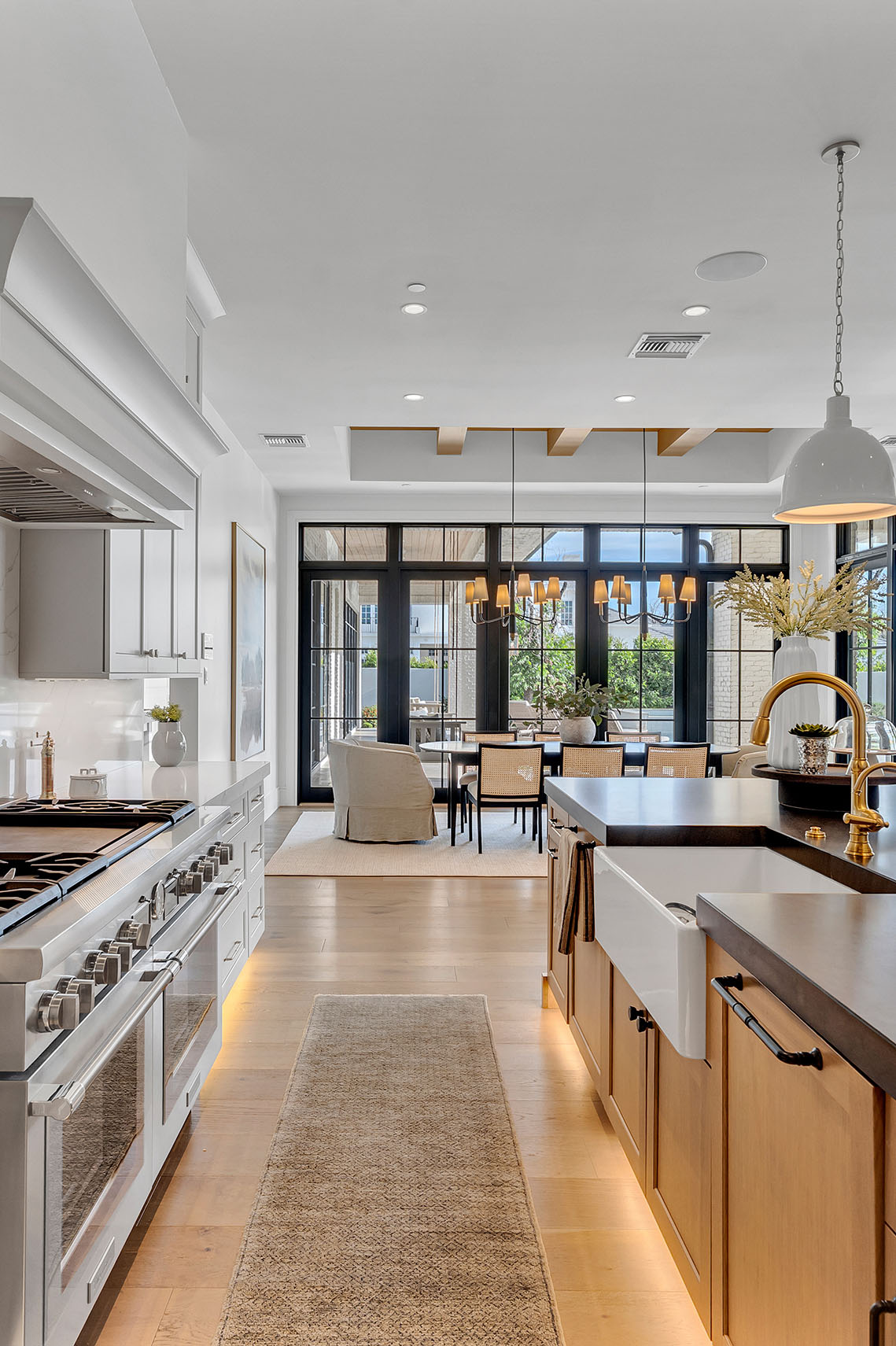



Searching “interior designers near me” is usually the first step in a much bigger journey than most homeowners realize. It feels like a simple errand — type a phrase, click a few links, scroll a few portfolios — but the designer you choose will quietly shape every decision your home makes for the next decade. The right local interior designer can save you tens of thousands of dollars, dozens of weekend hours, and the slow erosion of confidence that comes from second-guessing every paint chip and tile sample. The wrong one — or no designer at all — can leave you with a beautiful house that never quite feels like home.
This guide is an introduction to working with a local interior designer, written from the perspective of a husband-and-wife team that designs, builds, and furnishes homes across Utah County every day. At Ashtin Group UT, we are a luxury custom home builder. At Designly Done, we are an interior design studio and home decor store with a Provo storefront and an online shop. We see what works and what does not work when homeowners search for “interior designers near me” — and we want to help you ask the right questions before you ever pick up the phone.
Whether you are building a custom home, renovating a 1990s tract house, or just trying to make a single room finally feel finished, this introduction will walk you through what interior designers actually do, the different kinds of services available locally, how to evaluate a designer, what to expect from cost and timeline, and how to know when it is time to call one. By the end, you will be able to make a confident decision about whether hiring a local interior designer is right for you — and if so, how to choose one.
What “Interior Designers Near Me” Actually Means in 2026
The phrase “interior designers near me” gets searched tens of thousands of times every month in the United States. Most of those searches happen at one of three moments: when a homeowner is buying a new house, when they are starting a remodel, or when they have lived with a finished space long enough to realize it is not working and they want help fixing it. The search itself is broad. The intent behind it is almost always very specific.
A “local interior designer” in 2026 is a category that covers a wide range of professionals. On one end of the spectrum, you have full-service residential designers who run boutique studios and handle every aspect of a project, from architectural collaboration through final accessory placement. On the other end, you have e-design specialists who deliver style guidance through digital mood boards and shoppable links without ever stepping into your home. In between, you have decorators, stylists, hourly consultants, kitchen-and-bath specialists, and showroom designers attached to retail studios like Designly Done.
Knowing which kind of designer you actually need is the most important — and most overlooked — step of the entire process. A homeowner finishing a 6,000-square-foot Ashtin Group UT custom build needs a different designer than someone refreshing a living room and dining room before the holidays. Both are valid projects. They require very different approaches.
What Does an Interior Designer Actually Do?
Interior design as a profession sits at the intersection of art, architecture, project management, and procurement. A good designer is one part artist and three parts logistician. Most clients only see the art. The logistics are what separate a beautiful magazine spread from a finished, livable home.
A full-service interior designer typically handles the following responsibilities, sometimes all of them and sometimes in part, depending on the engagement.
The designer establishes a design direction. This involves understanding how you live, who lives in the home, what your aesthetic preferences are (even when you cannot fully articulate them), what your budget will support, and what the architecture of the home is asking for. A good designer will translate vague phrases like “warm” and “modern but not cold” into specific decisions about color palettes, materials, and proportions.
The designer creates a space plan. This is the layout of furniture, the orientation of seating, the placement of rugs, the location of lighting, and the flow between rooms. The space plan is where the most expensive mistakes happen if a designer is not involved. Buying a sofa that does not fit through the door, choosing a dining table that crowds the walkway, or hanging a chandelier that is the wrong scale for the room — these are the kinds of mistakes a designer prevents.
The designer specifies materials and finishes. Hardwood floor stains, tile patterns, countertop edge profiles, cabinetry door styles, plumbing fixture finishes, paint colors, and trim details all live in this bucket. On a custom build with Ashtin Group UT, our designer collaborates with the project superintendent and the trades to coordinate hundreds of these decisions across a year-long build timeline.
The designer sources furniture, lighting, art, and accessories. This is where designers add the most visible value. A designer with relationships across the trade can access showrooms, fabric houses, vintage dealers, and artisan makers that retail customers cannot. They also know which sources are reliable, which lead times are realistic, and which substitutions are safe when a piece is discontinued mid-project.
The designer manages the install. The final layer of an interior project — placing furniture, hanging art, styling shelves, fluffing pillows, dressing beds — is what transforms a house into a home. Designers either do this themselves or supervise an install team. Most homeowners underestimate how long this stage takes. A great install can take a full week for a single-floor whole-home project.
The designer manages your money. The least glamorous and most valuable part of design work is budget management. Designers track every line item, every PO, every freight charge, and every credit. They flag overages before they happen. They prevent duplicate purchases. They negotiate discounts and substitutions on your behalf. A great designer often pays for themselves in protected budget alone.
This is what a full-service interior designer does. Not every project requires every step — but knowing the full scope helps you scope your own project honestly when you start searching “interior designers near me.”
Types of Local Interior Design Services
When you start contacting local interior designers, you will find that they offer a variety of service tiers. Understanding the differences will save you time and keep your expectations aligned with what each studio actually does.
Full-Service Residential Design
This is the most comprehensive engagement. A full-service designer takes a project from concept to completed install. You hire them at the beginning, they work with you (and often with your architect or builder) through every decision, and they hand you back a finished, photograph-ready home. Full-service is the right fit for new construction, whole-home renovations, and major remodels. It is the most expensive service tier, but on a project of significant scope, it is also the most cost-efficient because the designer prevents expensive mid-project pivots.
At Designly Done, our full-service residential design is the engagement we most often pair with new construction projects from Ashtin Group UT. When the builder and the designer are aligned from day one, the home is more cohesive, the timeline is tighter, and the budget is protected.
Room-by-Room Design
If you do not need a whole-home overhaul, room-by-room design is a popular option. The designer takes on one or two rooms at a time — a primary suite, a kitchen, a great room — and delivers a complete design for that space without committing to the rest of the house. Many clients use room-by-room design to test the relationship with a designer before scaling up to a larger engagement. It is also a good fit for homeowners who are renovating in phases as the budget allows.
À-La-Carte or Hourly Consulting
Some local interior designers offer hourly consulting for clients who only need targeted help. Examples include picking paint colors for a whole house, choosing a sofa, planning a furniture layout, advising on art placement, or shopping with you in person. Hourly engagements typically run two to four hours and are billed at the designer’s hourly rate. This is the most affordable way to access a designer’s eye, and it can dramatically improve the outcome of a self-managed project.
Designly Done offers à-la-carte services that include single-room consultations, in-store styling appointments, and on-call sourcing for clients who want professional input on a project they are otherwise handling themselves.
E-Design and Virtual Design
E-design is a fully digital service. You answer a questionnaire, upload photos and measurements of your space, and the designer delivers a complete design package digitally — floor plans, mood boards, product links, and styling instructions. You then execute the design yourself. E-design is the least expensive option for accessing a designer, and it works well for smaller projects, lower budgets, or clients who enjoy doing the physical execution themselves. The trade-off is that the designer is not in your home, so a few things will inevitably look different in person than in the renderings.
Specialty and Kitchen-Bath Design
Some local designers specialize in a single category, most often kitchen and bath. These designers usually work closely with cabinetry showrooms and plumbing fixture brands and bring deep expertise to a focused scope. If your only project is a kitchen remodel, a kitchen-bath specialist may be a better fit than a generalist residential designer.
Showroom and Retail Designers
Many home decor stores, including Designly Done, offer in-house designers who help customers style spaces using merchandise from the store. These designers tend to focus on furniture and decor rather than architecture or major remodeling. Working with a showroom designer is often free with a purchase commitment, and it is an excellent entry point for clients who are not ready for a full-service engagement.
How to Evaluate a Local Interior Designer
Once you know what kind of service you need, the next step is evaluating individual designers. Most homeowners default to “look at their Instagram and pick the prettiest one.” That is not enough. Here is the broader framework we recommend.
Start With Their Portfolio — But Read It Carefully
A designer’s portfolio shows you their range, taste, and consistency. When you look at a portfolio, ask yourself three questions. First, do you see your own home in the work? You want to find a designer whose published projects look like the home you want to live in — not just a home you would admire in a magazine. Second, is the work consistent? A designer with a recognizable point of view will produce work that feels stylistically related project to project, even with different clients. Third, do the photos show real life or just the styled hero shots? A portfolio with detail shots, secondary rooms, and “lived-in” angles tells you the designer can finish a whole project, not just stage one photogenic corner.
Look at the Range of Their Projects
A great local designer should have experience across project types — new construction, renovations, single rooms, and maybe a commercial project or two. Range matters because the underlying skills (space planning, sourcing, color, scale, project management) apply across project types, and a designer with range has tested those skills in more conditions. At Designly Done, our portfolio spans new builds with Ashtin Group UT, legacy-home renovations across Utah County, and dozens of single-room refreshes for clients who walked in through our Provo storefront.
Read the Reviews — All of Them
Google, Yelp, Houzz, Instagram comments, and word-of-mouth references from friends in the area all add data points. Read the five-star reviews to see what clients praise most often. Read the three-star reviews even more carefully — those are usually the most honest accounts of where the designer’s process needs polishing. If a designer has only five-star reviews and zero critical feedback, either they are early in their career, or the reviews have been curated. Both are useful signals.
Have a Real Conversation Before You Sign Anything
Every local designer should offer an initial consultation, whether in person, by phone, or by video. Use that conversation to assess fit. The right designer will ask more questions than they answer. They will want to know about your family, your habits, your travel, the way you entertain, the kinds of homes you grew up in, the textures and materials you gravitate toward, and the way you actually live day to day. A designer who launches into pitching their services before they understand you is not the designer you want.
Ask About Their Process and Their Trade Relationships
A designer’s value is partly in their taste and partly in their access. Ask about the showrooms they work with, the vendors they trust, the artisans they have built relationships with, and the trades they collaborate with regularly. A designer who can name specific workrooms, finishers, and installers — and who has cultivated those relationships over years — will deliver a better outcome than one who is sourcing everything off the same retail websites you have already seen.
Verify Credentials, Insurance, and References
Interior design is regulated differently in every state. In Utah, you do not need a license to call yourself an interior designer, but credentials, insurance, and a track record of completed projects matter. Ask whether the designer carries general liability and professional liability insurance. Ask whether they are a member of professional organizations like ASID or IIDA. Ask for two to three client references and actually call them. The 20 minutes you spend on those calls will tell you more than any portfolio shot.
How Much Do Local Interior Designers Cost?
Cost is the question every homeowner wants to ask first and most are afraid to bring up. The honest answer is: it depends, but here are the most common pricing structures you will encounter when you search “interior designers near me.”
The hourly rate model is the simplest. Designers charge by the hour for their time. Rates in Utah County range broadly from around $100 per hour for early-career designers to $250 to $400+ per hour for established studios. Hourly billing is common for consulting engagements, small projects, and add-on services.
The flat-fee model is the most predictable. The designer scopes the project and quotes a fixed fee for the whole engagement. Flat fees are common for whole-home design, room-by-room design, and new-construction packages. For a Utah County new build with a designer fully engaged from architecture through install, flat fees often range from $25,000 to well over $100,000 depending on home size and project scope.
The percentage model bills the designer’s fee as a percentage of the project budget — most often 15 to 25 percent of total furnishings and design spend. This model aligns the designer’s time with the scope of the project and is common for full-service residential engagements.
The cost-plus model uses retail pricing on furniture and finishes and includes the designer’s margin in the markup. This is common at studios that operate as both designers and retailers, and it is the model many showroom designers use.
The right pricing model depends on the kind of engagement you want. Many studios, including Designly Done, offer multiple structures so that hourly consulting, room-by-room, and full-service all have a fair pricing path. Ask any designer you interview to walk you through their structure and provide a sample estimate for your project. A good designer will be transparent about how they bill long before you sign a contract.
When Should You Hire a Local Interior Designer?
There are five moments when hiring a local interior designer almost always pays for itself.
The first is when you are building a custom home. The decisions during a custom build are too numerous and too consequential to make alone. A designer involved from the early architectural phase shapes the home for the way you actually live, not just the way the floor plan looks on paper. At Ashtin Group UT, our most successful builds are the ones where the design team is involved before the foundation is even poured.
The second is when you are doing a major renovation. Kitchens, primary suites, and whole-floor renovations all involve sequencing decisions that ripple through the project. A designer keeps those decisions coherent and prevents costly course corrections.
The third is when you have moved into a new house and the existing furniture does not fit. This is one of the most common Utah County design calls. A family upgrades from a starter home in Springville to a larger home in Alpine, brings the old furniture along, and realizes within a month that the rooms feel underfurnished, awkwardly proportioned, or stylistically off. A designer helps you keep what works, retire what does not, and add the pieces that bridge the gap.
The fourth is when you have lived in your home for several years and it still does not feel finished. The “five-year wall” is real. Most homeowners reach a point where they are tired of looking at the same rooms but unsure how to fix them. A designer brings fresh eyes and the technical confidence to actually solve the problem.
The fifth is when life changes. A new baby, a new home office, an empty nest, an aging parent moving in, or a major lifestyle shift can mean the home no longer matches the family living in it. A designer translates the new chapter of life into a space that supports it.
If any of these apply to you, searching “interior designers near me” is the right first step.
Why Local Matters: The Utah County Advantage
Working with a local interior designer is different from working with a remote one, and the difference matters more than most homeowners assume.
A local designer knows your trades. They have working relationships with the painters, the cabinet makers, the upholstery workrooms, the stoneyards, the flooring installers, and the moving crews in your area. Those relationships translate to faster turnarounds, smoother installs, and better communication when problems arise. In Utah County specifically, the trades community is interconnected and reputation-driven. A local designer with a good name moves more easily through that community than a remote designer ever could.
A local designer knows your climate and your light. Utah County has dry air, intense sun, long winters with low humidity, and dramatic light shifts between seasons. Those factors affect material choices, fabric selections, plant survival, and even paint color. A designer who has worked in the local climate for years knows which finishes hold up, which fabrics fade, which woods cup, and which plants thrive.
A local designer can show up. The single greatest advantage of working with a local studio is presence. They can come to your home for the initial walkthrough, return for measurements, attend the cabinet templating, meet with the builder on site, supervise install day, and stop by to swap out an accessory that is not working. Presence is what separates a project that finishes well from one that ends with a long list of unresolved details.
A local designer is invested in your community. At Designly Done, we live, design, source, and shop alongside our clients in Utah County. Our retail showroom in Provo is staffed by neighbors. Our installers are local. Our trades partners are local. The same is true for Ashtin Group UT. Local matters because the work is collaborative, and collaboration is hardest at a distance.
The Builder + Designer Partnership: Why It Matters for New Construction
If you are searching “interior designers near me” because you are starting a custom home, there is one more piece of advice worth pausing on. The relationship between your builder and your designer is the single biggest predictor of how your project will turn out.
When a builder and a designer have worked together before, they speak the same language. They anticipate each other’s needs. They coordinate plumbing rough-ins to match the designer’s vanity selections. They coordinate framing to match the designer’s tile layouts. They coordinate paint scheduling to match the install timeline. None of that coordination happens automatically. It happens because two professionals have built a working rhythm over multiple projects.
Ashtin Group UT and Designly Done operate as an integrated design-build team for this reason. The builder and the designer are family — literally — and the build-design handoff is not a handoff at all. It is a single continuous conversation that starts at architecture and ends at the front door key handover.
If you are interviewing builders and designers separately, look for evidence that they have worked together. If they have not, ask each of them how they plan to coordinate. The answer will tell you a great deal about how your project will run.
Red Flags to Watch For When Choosing a Local Interior Designer
Most interior design relationships go well. The ones that do not usually show warning signs early. Watch for these patterns when you interview local designers.
A designer who promises a fixed timeline without asking detailed questions is overselling. Custom projects are not fast-food. Honest timelines require honest scoping.
A designer who insists on shopping only from their own product line, gallery, or affiliated store may be optimizing for their margin rather than your home. A great designer mixes sources — including their own — and is honest about why they choose what they choose.
A designer who avoids putting fees and scope in writing is a future problem. Every reputable studio will provide a written agreement before any work begins.
A designer who treats your taste as a problem to be corrected rather than a starting point to be developed is the wrong designer. Your home should look like you, not like them.
A designer who cannot give you direct references is not yet established enough for a project of significant scope. New designers can be excellent, but they should be honest about their experience and pricing should reflect their stage.
Your Next Step: From “Interior Designers Near Me” to a Real Conversation
If you have read this far, you are taking your home seriously, and that is the right starting point. The next step is short and concrete: shortlist two or three local interior designers whose work resonates with you, request consultations with each, and use the questions and frameworks in this guide to evaluate fit.
If you are in Utah County and you would like one of those consultations to be with our team, the Designly Done studio offers free initial discovery calls for new clients. We will listen to your project, ask the questions that matter, and tell you honestly whether we are the right fit. If we are not, we will help you think through who might be. If you are also considering a custom build, we can introduce you to the team at Ashtin Group UT, where Justin and his crew design and construct luxury custom homes across the Wasatch Front.
You only build or finish a home a few times in your life. Choosing the right local interior designer is one of the highest-leverage decisions you will make on the way there.
Frequently Asked Questions
The best way to find a great local interior designer is to combine portfolio review, online reviews, referrals from local builders and real estate agents, and a real conversation with the designer themselves. Look for someone whose published work matches the home you want, who has experience in your project type, who has working trade relationships in your area, and who is willing to walk you through their process before you sign anything. In Utah County, Designly Done and our partners at Ashtin Group UT are a great starting point — and we are happy to point you elsewhere if our studio is not the right fit.
Local interior design services in Utah County range broadly. Hourly consulting typically falls between $100 and $400 per hour depending on the studio. Room-by-room design starts in the low thousands. Full-service residential design for new construction or whole-home renovations is usually billed as a flat fee or percentage of project budget, and ranges from around $25,000 to well over $100,000 depending on scope and home size. Designly Done offers multiple pricing structures so smaller projects and full-service engagements both have a fair path.
Interior designers typically handle the full scope of a project, including space planning, architectural collaboration, materials and finishes, lighting, and furniture. Interior decorators usually focus on furnishings, color, textiles, and accessories. The terms are sometimes used interchangeably, but if you are renovating or building, you want a designer rather than a decorator. If you are styling a finished room, a decorator may be enough.
Most established interior designers regularly collaborate with builders. Some, like Designly Done and Ashtin Group UT, are part of integrated design-build teams where the designer and builder work under one roof. Others maintain trusted partnerships with specific builders they have worked with over many projects. If you are starting a custom home, hiring a designer who already has a working relationship with your builder will save you significant time and stress.
Yes. Most local interior design studios, including ours, offer single-room engagements. A single-room consultation, design package, or styling session is one of the most popular ways to access professional design without committing to a whole-home project. It is also the most common way for clients to test fit with a designer before scaling up.
Many do. Most reputable studios offer a free initial discovery call to understand your project before any paid work begins. Some also offer a free in-home visit for larger projects. Always ask in advance — and use the consultation to evaluate the designer as much as they are evaluating the project.
Ready to Elevate Your Home? Start Here.
Whether you are building a custom home, renovating an existing one, or styling a single room, the Kuhni family of brands can help you create a space that feels timeless, layered, and unmistakably yours. The right local interior designer can change the way your home feels for decades — and the right builder behind that designer can change everything from the foundation up.
Designly Done — Utah County’s Luxury Home Decor Store & Design Center | designlydone.com Ashtin Group UT — Utah County’s Luxury Custom Home Builder | ashtingrouput.com
Building and designing extraordinary homes across Provo, Orem, Lehi, Saratoga Springs, Eagle Mountain, Springville, Spanish Fork, Mapleton, Payson, and all of Utah County, Utah.
About the Founders Ashley and Justin Kuhni are the founders of Designly Done (luxury home decor store and full-service interior design center) and Ashtin Group UT (luxury custom home builder serving the Wasatch Front). Together they lead an integrated design-build team dedicated to creating and furnishing extraordinary homes throughout Utah County.