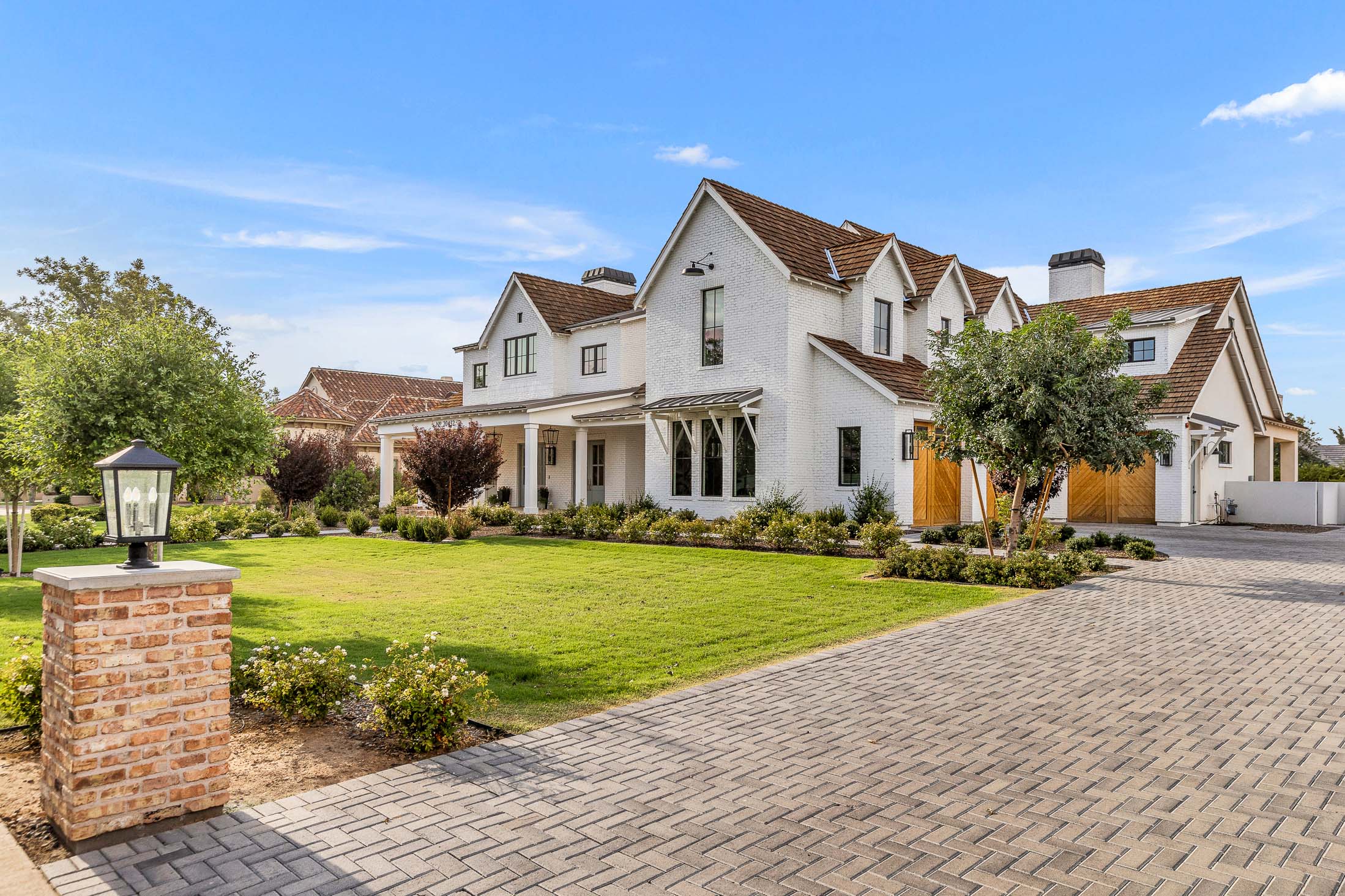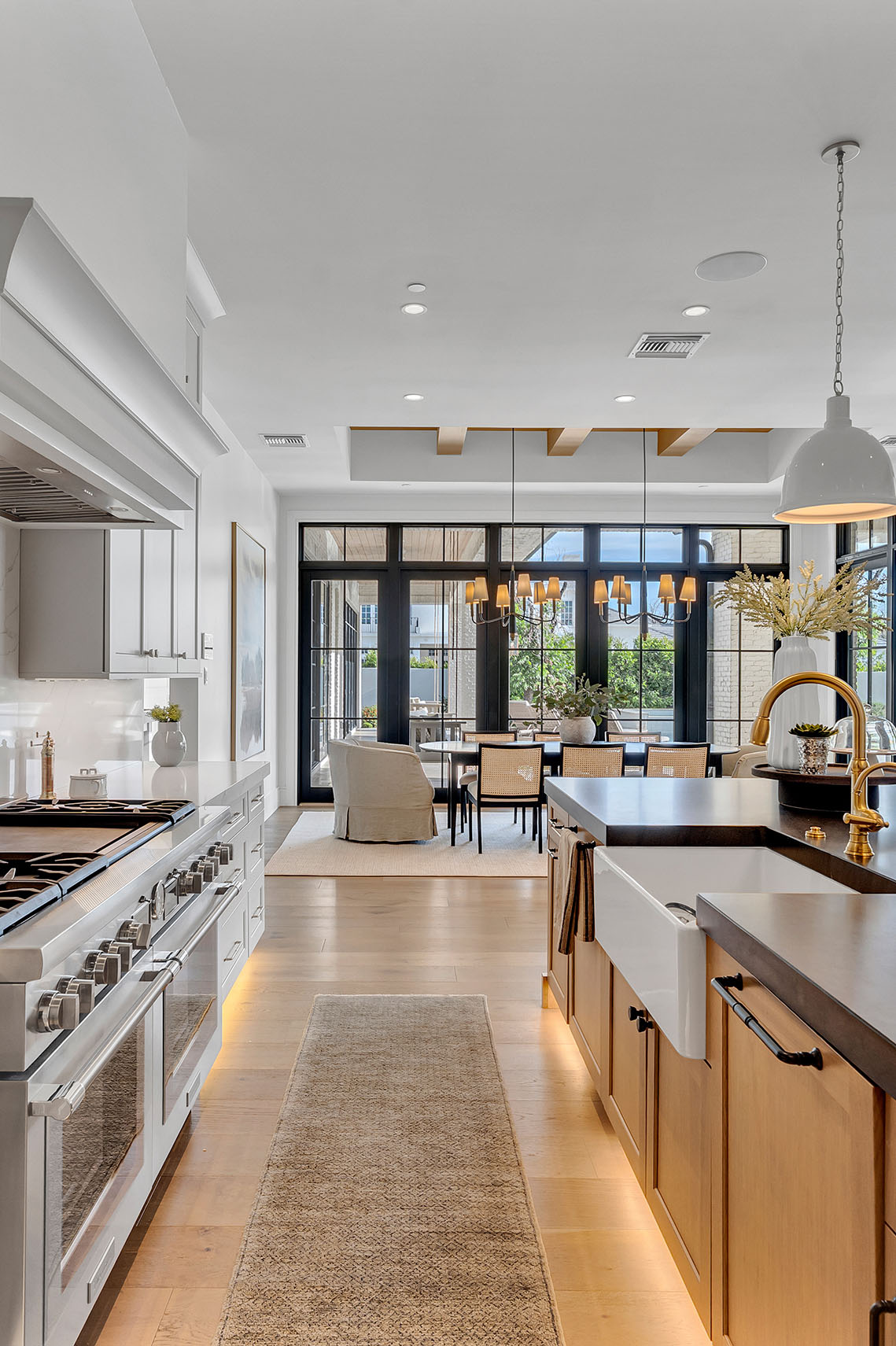


The first question almost every client asks us is the same one: “How long is this going to take?” The honest answer is the one most builders avoid giving directly — because the truthful timeline for a custom luxury home is longer, and more variable, than a sales pitch wants it to be. A well-built, well-designed custom home in Utah County in 2026 typically takes 14 to 24 months from lot purchase to move-in. Some come in faster. Some take longer. The number that matters is not the average — it is the timeline of your specific home, on your specific lot, with your specific scope.
This guide is our honest, phase-by-phase breakdown of how long it actually takes to build a custom luxury home. As an integrated design-build family that runs Ashtin Group UT (the construction side) and Designly Done (the interior design side), we live this timeline every day across active projects in Provo, Lehi, Alpine, Saratoga Springs, Mapleton, and across the Wasatch Front. The numbers below are real numbers from real homes, not marketing rounding.
If you are interviewing builders, planning a build, or just trying to set expectations before you start, this is what to actually expect.
The Short Answer: 14 to 24 Months for a Luxury Custom Home
Here is the broad-strokes timeline for a luxury custom home in Utah County in 2026.
A 4,000-square-foot custom home of moderate complexity typically takes 14 to 18 months from initial design kickoff to keys.
A 6,000-square-foot custom home with substantial customization, premium finishes, and integrated interior design typically takes 18 to 24 months.
A 10,000+ square-foot estate home with extensive site work, custom millwork, imported materials, and bespoke fabrication can take 24 to 36 months.
Those numbers include the pre-construction phase (design, engineering, and permitting), which is typically four to nine months on its own. The on-site build itself — from groundbreaking to certificate of occupancy — usually runs ten to fifteen months for a well-coordinated luxury home.
The biggest mistake we see homeowners make is hearing “ten months to build” and forgetting that the design and permitting phase comes before that, not in parallel. The clock starts the day you sign with your designer and builder, not the day the foundation goes in.
The Pre-Construction Phase: 4 to 9 Months
The pre-construction phase is everything that happens between signing your design-build contract and breaking ground. Most homeowners under-budget for it. It is where the bones of the project are decided, and rushing it almost always costs more time on the back end.
Architectural Design: 8 to 16 Weeks
The first phase is architecture. The architect produces a schematic design (rough floor plans and elevations), then a design development set (refined plans with materials and structure called out), then construction documents (the fully detailed drawings the builder bids and builds from). Each phase requires client review and revisions. A typical custom luxury home spends two to four months in architecture.
Where it slows down: indecision on layout, late additions to scope, changes after construction documents are complete. A homeowner who keeps revisiting whether the office should be off the entry or off the great room can add three months to architecture alone.
Interior Design Kickoff (Parallel): 6 to 12 Weeks
The smartest custom builds bring the interior designer in during architecture, not after. At Designly Done, our designers work in parallel with the architect so that decisions about kitchen layouts, primary suite millwork, lighting plans, and material direction inform the architectural set before it locks. When interior design starts after construction documents are issued, the project loses time and money to change orders. When it starts in parallel, the construction set is already coordinated with the interior plan and the build moves faster.
Engineering: 4 to 8 Weeks
Structural, mechanical, electrical, plumbing, and energy engineering happen toward the end of the design phase. Engineering is mostly invisible to the homeowner but critical to permitting. Engineers stamp drawings, calculate loads, size HVAC systems, and produce the documents needed for plan review.
Permitting: 6 to 16 Weeks
Permitting in Utah County varies meaningfully by city. Permit review timelines in Provo, Lehi, Saratoga Springs, Eagle Mountain, Alpine, Mapleton, and Spanish Fork are all different. Plan review for a custom home typically runs six to ten weeks in most Utah County cities, longer in cities with heavier review queues or stricter design committees. HOA review (when applicable) adds two to six weeks on top of city permit review. Septic, well, or special site approvals can add additional weeks.
Where it slows down: incomplete plans submitted to expedite review, HOA architectural committees with infrequent meetings, lots with floodplain or steep-slope considerations, and energy code revisions that require re-stamping.
Final Budgeting and Trade Bidding: 2 to 4 Weeks
Once permits are in hand, the builder finalizes trade contracts and the homeowner signs off on the construction budget. This is the last opportunity to value-engineer before crews mobilize. We use this window to confirm allowances, lock in long-lead items (windows, custom doors, specialty plumbing, certain stone), and coordinate the build calendar with the trades.
Total pre-construction time: typically 16 to 36 weeks. Yes, that is four to nine months before a single shovel hits dirt. It is the part of the timeline that surprises homeowners most.
Site Work and Foundation: 4 to 8 Weeks
Groundbreaking is the moment most clients feel like the build is “real.” This phase includes site clearing, excavation, footing forms, foundation pour, and waterproofing.
On a flat Utah County lot with good soil, site work and foundation take four to six weeks. On a sloped lot, a lot with poor soils requiring engineered fill, or a lot with extensive site retaining, this phase stretches to six to eight weeks or more. Mountain-bench lots in Alpine, Mapleton, and the Provo east bench frequently fall in the longer range because of slope and rock.
Weather is a factor. Frozen ground in January and February in Utah County can delay excavation. Heavy spring rain can delay foundation pours. We try to time groundbreaking for late spring or late summer when ground conditions are most predictable.
Framing: 6 to 12 Weeks
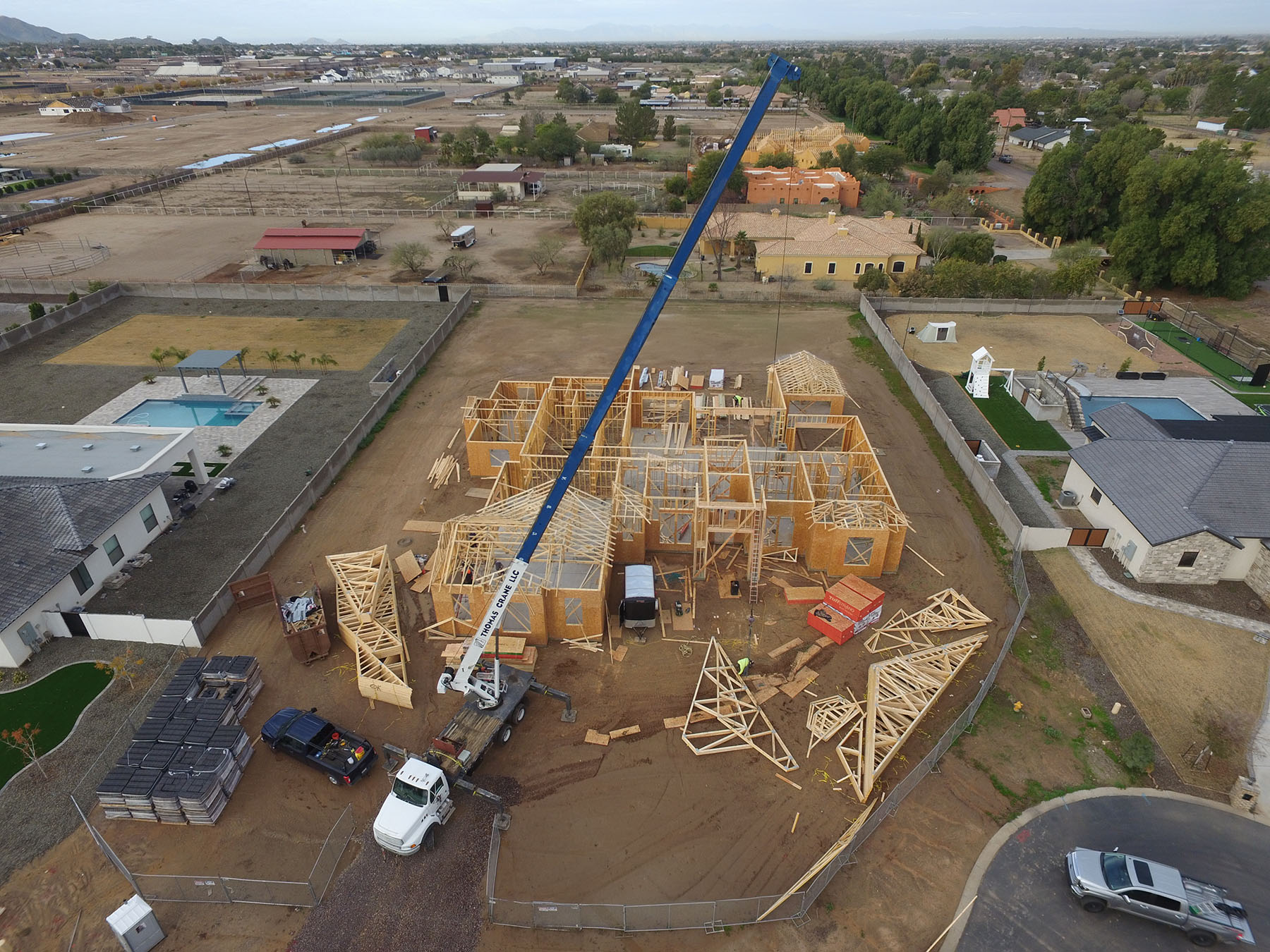
Framing is the most visible phase of the build. The structure goes up, the roofline appears, and the home suddenly looks like a home. A 4,000-square-foot home with standard framing complexity takes six to eight weeks. A 6,000+ square-foot home with multiple roof planes, vaulted ceilings, and complex structural elements (steel beams, exposed timber, cantilevers) takes eight to twelve weeks.
Where it slows down: structural changes after framing starts, weather (rain, wind, snow can shut down a frame for days), lumber and engineered wood lead times for unusual sizes, and crew scheduling conflicts.
Once framing is complete, we install the roof, exterior sheathing, and house wrap to get the home “dried in.” Dry-in typically adds two to three weeks after framing closes.
MEP Rough-Ins: 3 to 5 Weeks
Mechanical, electrical, and plumbing rough-ins happen after the home is dried in and before insulation and drywall close up the walls. Plumbing, HVAC ductwork, electrical wiring, low-voltage cabling (data, security, audio/video), and central vacuum (when included) all happen in this phase.
This is the phase where coordination between the builder, the designer, and the homeowner matters most. Every outlet location, every light switch, every plumbing rough, and every HVAC register location locks in during MEP. Mistakes here are expensive to undo — moving an outlet after drywall costs ten times what it costs to move it before drywall.
This is also the phase where the Designly Done team is most actively walking the home with our Ashtin Group UT build crews — confirming sconce locations, picture light positions, kitchen island plug placements, vanity layouts, and undermount lighting. The walk-throughs feel slow, but they save weeks of change orders later.
Insulation and Drywall: 4 to 6 Weeks
Once MEP rough-ins are inspected and approved, the home gets insulated and drywalled. Insulation typically takes a week. Drywall — hang, tape, mud (multiple coats), sand, and prime — takes three to five weeks depending on home size and ceiling complexity. Smooth-finish ceilings, level-5 drywall finishes, and curved or vaulted walls all add time.
The home looks dramatically different after drywall. Clients often visit at this stage and finally feel the scale and proportion of the rooms they have been imagining for nine months.
Interior Finishes: 8 to 16 Weeks
The finish phase is where the home becomes itself — and where the timeline is most affected by the choices made earlier. The phase includes interior trim and millwork, cabinetry installation, tile, hardwood flooring, stone counters and surfaces, paint, interior doors, hardware, and built-in features.
A 4,000-square-foot home with relatively standard finishes runs eight to ten weeks in finishes. A 6,000-square-foot home with custom cabinetry, extensive millwork, multiple stone slabs, complex tile patterns, and custom paneling runs twelve to sixteen weeks. Custom millwork is the single biggest variable. Custom kitchens with hand-built inset cabinetry can take four to six months from order to install, so they need to be ordered during framing if the finish phase is going to flow.
Long-lead items are the most common source of finish-phase delays. Imported tile, custom doors, specialty plumbing fixtures, and bespoke lighting all carry lead times of 8 to 26 weeks. The earlier these are specified and ordered, the smoother the finish phase will be. This is one of the strongest arguments for integrated design-build: when the designer is locked in early, the long-lead orders go in early.
Final Trades and Mechanical Finishes: 2 to 4 Weeks
Once finishes are largely complete, the final pass of trades comes back to install plumbing fixtures, light fixtures, appliances, mirrors, hardware, and HVAC equipment. This phase is fast when everything has arrived on time and slow when one delayed shipment holds up the punch list.
This is also when low-voltage trades return to install AV, security, and smart-home equipment. Final HVAC commissioning, fireplace finishing, and any specialty installations (wine cellars, saunas, home theaters) wrap up in this window.
Final Inspection, Walk-Through, and Move-In: 2 to 3 Weeks
The home is now substantially complete. The certificate of occupancy inspection happens through the city. The builder produces a punch list and resolves it. The interior designer schedules final styling and install — furniture delivery, art hanging, rug placement, accessory styling, bed dressing. At Designly Done, we typically need three to five days on-site for a full residential install, sometimes longer for larger homes.
The final walk-through is the moment we hand the keys to the homeowner. From the day the contract was signed to the day the family moves in, the calendar typically reads 14 to 24 months.
What Slows a Custom Home Build Down
After a hundred-plus projects, the things that extend custom home timelines the most are predictable. Knowing them in advance is the best way to avoid them.
The single biggest cause of delay is mid-project design changes. Every change order ripples downstream. Moving a kitchen island after cabinetry is ordered does not just delay the kitchen — it can delay the floor pattern that flows out of the kitchen, the lighting plan that hangs over it, the electrical that feeds it, and the plumbing that serves it. A “small” change can cost weeks.
The second cause is indecisive specification. Homeowners who cannot finalize tile, paint, hardware, or fixtures on the schedule the builder needs them slow the entire project. We give clients a clear specification calendar at the start of the build for exactly this reason.
The third cause is long-lead items ordered late. Custom windows, imported stone, custom doors, specialty cabinetry, and high-end appliances all have lead times that can exceed six months. Ordering them late means the build pauses waiting for them to arrive.
The fourth cause is weather. Utah County winters can cost a project three to six weeks if framing or foundation work falls in the wrong window. The fifth cause is trade availability — the Wasatch Front construction labor market remains tight, and a tradesperson who is overbooked can push a project by weeks.
The sixth cause is permit and inspection delays. Some Utah cities are faster than others, and inspection scheduling can vary day to day. Builders with strong relationships and a steady project pipeline tend to manage inspections more reliably than newer or sporadic builders.
The seventh cause is finance-related delays. Construction loan draws, appraisals, and lender inspections can hold up phases if the financing side is not running smoothly.
What Speeds a Custom Home Build Up
The same patterns work in reverse. Builds that finish on time or ahead of schedule share these traits.
The homeowner is decisive. Specifications get locked when the builder needs them locked.
The interior designer is engaged early. Long-lead items are ordered while the foundation is still being poured.
The builder and designer have worked together before. Coordination is fast because the team already knows the workflow.
The scope is well-defined from the start. Change orders are rare because the original scope was thorough.
The lot is straightforward. Flat, accessible, with utilities in place — these lots build faster than steep or remote ones.
The construction loan is well-managed. Draws happen on schedule and inspections are completed without delay.
We have completed builds at the fast end of the range — 13 to 14 months for a 4,000-square-foot home — when all of these factors aligned. We have also seen comparable homes take 24 months when several of them did not. The variables are real.
Utah County–Specific Timeline Factors
Building in Utah County adds a few region-specific timeline considerations worth knowing.
Permit timelines vary by city. Lehi, Saratoga Springs, and Eagle Mountain have processed high permit volumes in recent years and review queues can run longer than expected. Provo, Orem, Mapleton, and Springville have generally been faster. Alpine, Cedar Hills, and some unincorporated parcels in Utah County have additional review layers depending on lot conditions.
Winter shuts down certain work. Foundation pours, exterior framing in heavy snow, and stucco/exterior finish work in freezing temperatures all slow or stop. A build that starts in October will lose time to winter that a build starting in May will not.
HOA architectural review is significant on many Utah County developments. Communities like Traverse Mountain, the Ridge at Suncrest, Ivory Ridge, Hawthorn Hills, and many master-planned neighborhoods require ARC approval that can add three to eight weeks before permits can be pulled.
Trade availability tightens during peak season. Spring through fall is the busy build window. Booking trades for a fall start is harder than booking for a winter start, and projects that mobilize during the busiest months can experience scheduling friction.
We plan around these factors on every Ashtin Group UT project, and we recommend clients build their personal expectations around the Utah County calendar — not a generic national average.
Why Design-Build Is Faster Than Hiring Separately
There is a structural reason why design-build teams finish custom homes faster than projects assembled from separately hired professionals.
When the architect, builder, and designer are coordinated from day one, the entire pre-construction phase compresses. Architecture and interior design happen in parallel. Engineering aligns with both. Long-lead items get ordered early. Trade bids reflect the actual scope. Permit submissions are complete on the first pass.
When those roles are hired separately, the timeline expands. The architect finishes the plans, hands them to the homeowner, who hands them to the builder, who marks them up, sends them back to the architect, and waits. Then the interior designer is brought in, scopes the kitchen and lighting, and the architect revisits the construction documents to coordinate. By the time the project breaks ground, six to nine months of avoidable handoffs have stacked up.
The integrated Ashtin Group UT and Designly Done model exists for this reason. The build team and the design team are family. The handoff is not a handoff. The same conversation runs from architecture through final install.
What This Means for Your Planning
If you are planning a custom home in Utah County, here is the most useful way to think about the timeline.
Start with the move-in date you actually need, then back into the build calendar. For a 6,000-square-foot luxury home, plan on 18 to 22 months from the day you sign with your design-build team to the day you move in.
Plan to spend the first four to nine months in design, engineering, and permitting. Plan to break ground after that. Plan to live with construction for another ten to fifteen months. Plan for at least two longer-than-expected delays inside that window, because the average project has them.
If you have flexibility on the move-in date, take advantage of seasonality. Building through one winter is normal. Building through two winters is a sign the timeline was not realistic from the start.
The good news: a custom luxury home built right is a multi-decade home. Eighteen months to build it once, well, is a small price for a home that will outlast every spec build it is sitting next to.
Frequently Asked Questions
A 4,000-square-foot custom home in Utah County typically takes 14 to 18 months from design kickoff to move-in, including 4 to 7 months of pre-construction (design, engineering, permitting) and 10 to 12 months of on-site construction. Homes built on flat lots with straightforward scope and a decisive homeowner can finish closer to the lower end. Homes with significant customization or weather delays tend toward the upper end.
A 6,000-square-foot luxury custom home typically takes 18 to 24 months from design kickoff to move-in. Pre-construction usually runs 6 to 9 months and on-site construction runs 12 to 15 months. Custom millwork, imported stone or tile, and integrated interior design from a partner like Designly Done can extend the timeline modestly but produce a much more cohesive finished home.
Pre-construction includes architectural design, interior design, structural and MEP engineering, energy compliance, city permit review, and HOA approval (where applicable). Each of these layers takes time and most cannot be fully parallelized. Rushing pre-construction is the single most common cause of expensive change orders during the build. We treat the four-to-nine-month pre-construction window as an investment that protects the rest of the timeline.
City permit review for a custom home in Utah County typically runs six to ten weeks, with HOA architectural review adding another two to six weeks where applicable. Lehi, Saratoga Springs, and Eagle Mountain have generally run on the longer end of recent permit cycles, while Provo, Orem, Mapleton, and Springville have generally been faster. Special conditions (slope, floodplain, septic, well) can add additional weeks.
Sometimes. You can pay to expedite long-lead items, run trades on overtime, and accelerate certain procurement, but the gains are modest — usually a few weeks, not a few months. The fastest way to compress the timeline is to make decisive specifications, engage your interior designer early, choose a flat and accessible lot, and work with an integrated design-build team like Ashtin Group UT and Designly Done. Decisions and coordination save more time than money.
Yes, certain phases. Foundation pours, exterior framing, stucco, exterior paint, and landscaping are all affected by freezing temperatures and snow. Interior phases (drywall, finishes, cabinetry, paint) continue through winter once the home is dried in. We plan build calendars around the Utah seasons whenever possible — typically starting site work in late spring or summer so foundation and framing happen in good weather and the home is dried in before the first hard winter.
Ready to Elevate Your Home? Start Here.
A custom luxury home is one of the largest investments you will ever make — and one of the most rewarding when it is built right. Realistic timelines, an integrated design-build team, and a partner who tells you the truth about how long things actually take are the foundations of a build you will be proud of for the next thirty years.
Designly Done — Utah County’s Luxury Home Decor Store & Design Center | designlydone.com Ashtin Group UT — Utah County’s Luxury Custom Home Builder | ashtingrouput.com
Building and designing extraordinary homes across Provo, Orem, Lehi, Saratoga Springs, Eagle Mountain, Springville, Spanish Fork, Mapleton, Payson, and all of Utah County, Utah.
About the Founders Ashley and Justin Kuhni are the founders of Designly Done (luxury home decor store and full-service interior design center) and Ashtin Group UT (luxury custom home builder serving the Wasatch Front). Together they lead an integrated design-build team dedicated to creating and furnishing extraordinary homes throughout Utah County.