


Choosing the architectural style of your custom home is one of the most personal and consequential decisions you’ll make in the entire building process. It shapes how the home looks from the street, how it feels to live in every day, how it ages over the decades, and even how it holds its value in the Utah County market. For most homeowners, the decision comes down to a single defining question: modern vs traditional luxury homes — which style is right for you?
At The Ashtin Group, Utah County’s luxury custom home builder, we’ve designed and built homes across the full spectrum, from crisp contemporary builds in the foothills above Alpine to warm, timeless traditional estates in Mapleton and Provo. There is no universally “better” style — only the style that’s right for how you live, what you love, and the way you want your home to feel for the next thirty years. This guide breaks down the real differences between modern and traditional luxury homes so you can make the decision with clarity and confidence.
Defining the Two Styles
Before comparing them, it helps to be clear about what each term actually means, because both get used loosely.
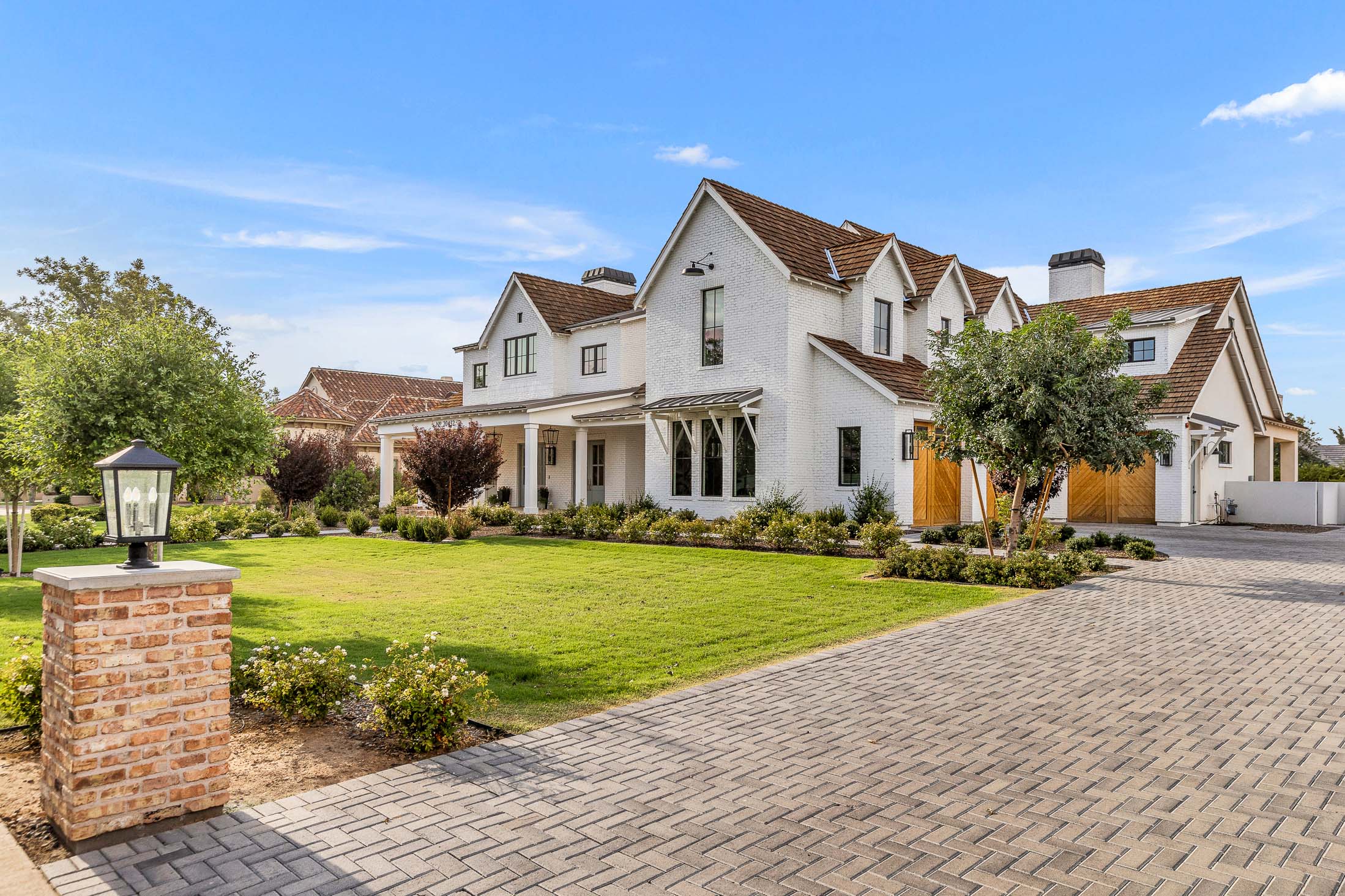
A traditional luxury home draws on established architectural lineage — Craftsman, Colonial, French Country, Tudor, Mountain Modern’s rustic cousins, and the timeless American farmhouse. These homes are characterized by symmetry, pitched roofs, defined rooms, natural materials like stone and wood, detailed millwork, and a sense of permanence and warmth. They feel rooted, familiar, and enduring.
A modern luxury home (often used interchangeably with contemporary) emphasizes clean lines, open floor plans, expansive glass, flat or low-slope rooflines, and a restrained material palette. The emphasis is on light, volume, indoor-outdoor connection, and a sense of calm minimalism. Modern homes feel airy, intentional, and forward-looking.
It’s worth noting that most of the homes we build today are not purely one or the other. The fastest-growing category is transitional — a thoughtful blend that pairs the clean simplicity of modern design with the warmth and texture of traditional materials. But to choose well, it helps to understand each end of the spectrum first.
Architecture and Exterior Character
The most visible difference between modern and traditional luxury homes is the exterior, and it’s where many homeowners form their first instinct.
Traditional homes tend to read as warm and inviting from the curb. Think gabled roofs, covered porches, divided-light windows, natural stone, brick, board-and-batten or lap siding, and architectural details like corbels, shutters, and dormers. The materials often age beautifully, developing character over time. In Utah County, traditional and mountain-traditional styles pair naturally with the dramatic backdrop of the Wasatch Front.
Modern homes make a different statement: bold, confident, and sculptural. Large expanses of glass, clean stucco or smooth stone, metal accents, cantilevered forms, and flat or mono-pitch rooflines create a striking silhouette. A modern home often looks its best when the architecture frames the landscape — capturing mountain views through floor-to-ceiling windows rather than competing with them.
Neither is more “luxurious” than the other. Luxury lives in the quality of materials, the precision of the craftsmanship, and the integrity of the details — all things our team at The Ashtin Group controls regardless of style.
Floor Plans and How You Actually Live
The interior layout is where the two styles diverge in ways that affect daily life most directly.
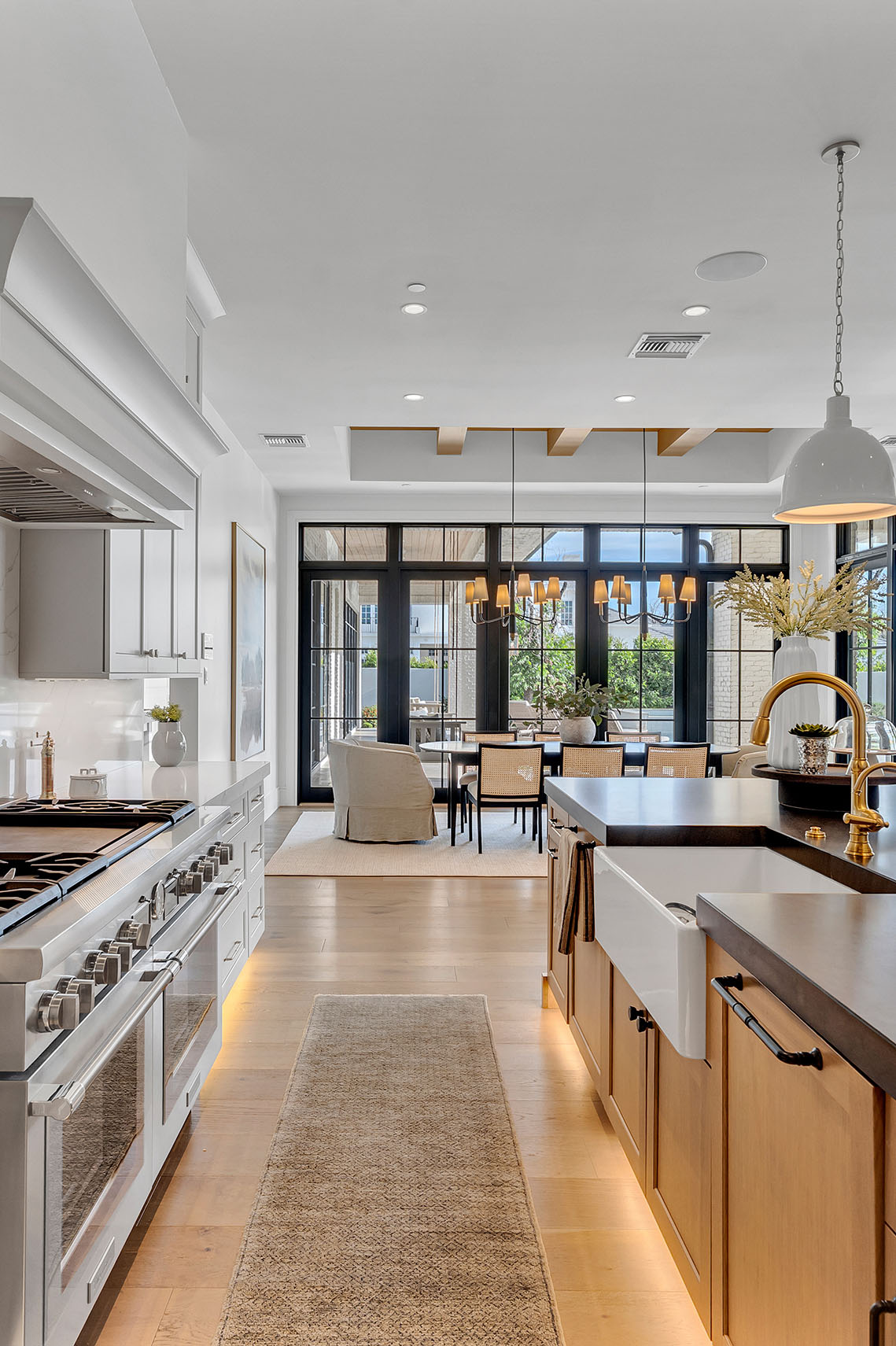
Modern luxury homes are defined by open-concept living. Kitchen, dining, and living spaces flow together into a single great room, often with sightlines straight through to the backyard and the mountains beyond. This openness suits families who entertain frequently, want to keep an eye on children across the main level, and prefer a light-filled, connected feel. The trade-off is fewer walls, which means less acoustic separation and fewer defined “rooms” to retreat to.
Traditional homes lean toward defined, purposeful rooms — a formal dining room, a dedicated study or library, a cozy sitting room, a mudroom with built-ins. This compartmentalized approach offers privacy, quiet, and a sense of occasion. Families who value distinct spaces for work, rest, and gathering — or who simply love the intimacy of a well-proportioned room — often gravitate here.
In practice, many of our clients want elements of both: an open kitchen-living core for everyday life, paired with a few enclosed rooms (an office, a formal space, a quiet primary suite). A skilled custom builder can give you that hybrid, which is one of the real advantages of building custom rather than buying a production home.
Materials, Light, and Interior Feel
The material palette is what gives each style its emotional signature.
Traditional interiors embrace texture and warmth: hardwood floors, coffered or beamed ceilings, stone fireplaces, detailed cabinetry, wainscoting, and layered trim. The result is a home that feels rich, grounded, and timeless — the kind of space that wraps around you.
Modern interiors prize simplicity and light: wide-plank floors in muted tones, flat-panel cabinetry, large-format tile, minimal trim, and a monochromatic or earthy palette that lets architecture and natural light take center stage. The beauty is in restraint and proportion rather than ornament.
This is also where interior design becomes inseparable from architecture. Ashley Kuhni’s design work — and the curated furnishings available through our sister company, Designly Done — bridges both worlds. A modern shell can be softened with warm textiles, vintage character pieces, and organic textures so it feels inviting rather than cold. A traditional home can be kept fresh and current with edited, contemporary styling rather than heavy, dated decor. The furniture, lighting, and accessories you choose matter just as much as the walls themselves, and you can explore that layer through the Designly Done collections.
Longevity, Resale, and Future-Proofing
A common and entirely reasonable question is which style holds its value better over time. The honest answer is nuanced.
Traditional styles have a long track record of broad, enduring appeal. Their familiarity means they rarely feel dated and tend to attract a wide pool of future buyers. A well-built traditional home in a desirable Utah County neighborhood is a safe, timeless bet.
Modern homes can command premium prices and attract buyers specifically seeking that aesthetic — but design trends within the modern category move faster, so it’s important to favor genuinely architectural, restrained modern design over trend-driven choices that may feel dated in a decade. The most future-proof modern homes are those grounded in good proportion and quality materials rather than fleeting fashion.
Transitional design tends to offer the best of both worlds for resale: current and fresh, but warm and broadly appealing. This is one reason it has become so popular among our clients who plan to live in their home long-term but want to protect its value.
Regardless of style, the single biggest driver of long-term value is build quality. A home built with structural integrity, quality systems, and meticulous craftsmanship will outperform a stylish home that cuts corners. That commitment to quality is the foundation of everything The Ashtin Group builds.
Matching the Style to Your Lifestyle
So how do you actually decide? Set aesthetics aside for a moment and start with how you live.
Consider how you spend your time at home, whether you entertain large groups or value quiet retreat, how much you prize natural light versus cozy enclosure, whether you’re drawn to clean minimalism or layered warmth, and how the architecture will relate to your lot and its views. A steep mountainside lot with panoramic views may beg for walls of glass and a modern form; a wooded, gently sloping lot might call for the rooted warmth of a traditional or mountain-traditional design.
Also think honestly about maintenance and how you live day to day. Modern homes with large glass expanses are stunning but require thoughtful planning around solar gain, privacy, and cleaning. Traditional homes with rich materials and detailing offer warmth but can involve more upkeep on millwork and finishes. Neither is a dealbreaker — they’re simply factors to weigh.
The advantage of building custom with The Ashtin Group is that you don’t have to fit your life into a pre-set template. We start with how you actually live and design the architecture around it, whether that leads to modern, traditional, or a blend of the two.
The Case for Transitional: Why You May Not Have to Choose
Many homeowners arrive convinced they have to pick a side, only to discover that the home they truly want lives in the middle. Transitional design has surged in popularity precisely because it resolves the tension: the clean, uncluttered lines and open light of modern design, married to the natural materials, warmth, and timeless detailing of traditional architecture.
A transitional Utah County home might feature an open great room with a wall of windows framing the mountains (modern), wrapped in warm white oak, natural stone, and a statement fireplace (traditional), styled with curated furnishings that layer texture and character (the Designly Done touch). The result feels both current and enduring — neither cold nor fussy.
For a growing share of our clients, transitional is the answer to “modern vs traditional luxury homes.” You can have the soul of a traditional home and the light and flow of a modern one. The key is a builder and design team experienced enough to balance the two without the home feeling indecisive.
Budget, Timeline, and Build Considerations by Style
Style doesn’t just shape how a home looks — it influences how it’s built, what it costs, and how long it takes. Understanding these practical differences early helps you plan realistically.
Modern luxury homes often rely on large spans of glass, exposed structural elements, flat or low-slope roofs, and seamless finishes that leave nowhere to hide imperfection. Achieving that crisp, minimal look actually demands a higher level of precision: clean reveals, hidden hardware, flush transitions, and flawless drywall or plaster work all require skilled trades and careful sequencing. Large glazing packages and specialty steel can also carry a premium, and flat rooflines require meticulous waterproofing detailing — especially important under Utah’s snow loads and freeze-thaw cycles. The payoff is a dramatic, light-filled home, but it rewards a builder who sweats the details.
Traditional luxury homes distribute their cost differently. The investment tends to live in rich materials and craftsmanship — natural stone, detailed millwork, coffered ceilings, custom cabinetry, and layered trim. These elements are labor-intensive but use well-established building methods, and pitched roofs shed snow and water naturally, which suits the Utah County climate. The result is warmth and permanence, with maintenance focused on preserving finishes over time.
In both cases, the budget is driven far more by the level of finish and the quality of materials than by the style label itself. A restrained traditional home can cost less than a heavily glazed modern one, and a simple modern home can cost less than an ornately detailed traditional estate. What matters is aligning your priorities, your lot, and your budget early — which is exactly the kind of planning conversation we have with every client before a single line is drawn.
Climate is the other practical factor unique to building along the Wasatch Front. Utah County sees real winters, intense summer sun, and significant elevation changes across desirable lots. The right style for your home should respond to your specific site — its orientation, views, slope, and exposure — not just to a magazine aesthetic. This is where an experienced local builder earns their keep, translating a style preference into a home that performs beautifully in our climate for decades.
How The Ashtin Group Helps You Decide
Choosing a style shouldn’t feel overwhelming, and you shouldn’t have to make the call alone. As Utah County’s luxury custom home builder, The Ashtin Group guides clients through this decision with a collaborative process. Justin leads construction and ensures whatever style you choose is executed with structural excellence, while Ashley leads design and helps translate your taste into a cohesive architectural vision — right down to the furnishings, sourced and styled through Designly Done.
We start with conversation, not blueprints. We learn how you live, what inspires you, what you’ve loved and disliked in past homes, and how you want your home to feel. From there, the style decision tends to make itself. Whether you land on modern, traditional, or transitional, the goal is the same: a home that’s unmistakably yours, built to last, and beautiful for decades.
Frequently Asked Questions
Modern luxury homes feature clean lines, open floor plans, large expanses of glass, flat or low-slope rooflines, and a minimalist material palette focused on light and volume. Traditional luxury homes emphasize symmetry, pitched roofs, defined rooms, natural materials like stone and wood, and detailed millwork for a warm, timeless feel. Neither is more luxurious — luxury comes from quality materials and craftsmanship. The Ashtin Group builds both across Utah County.
Traditional styles have broad, enduring appeal and rarely feel dated, making them a safe long-term bet. Modern homes can command premiums but should favor restrained, architectural design over fast-moving trends. Transitional design often offers the best resale balance — current yet warm and broadly appealing. In every case, build quality is the single biggest driver of long-term value.
A transitional home blends modern and traditional design — pairing the clean lines and open, light-filled layouts of modern architecture with the warm natural materials and timeless detailing of traditional homes. It’s the fastest-growing style among our clients because it feels both current and enduring, and it appeals to a wide range of future buyers.
Absolutely. Building custom means you aren’t locked into a single template. Many homeowners choose an open, modern living core paired with a few defined traditional rooms, or a modern exterior softened with warm, layered interiors. The Ashtin Group specializes in tailoring the balance to how you actually live, and furnishings from Designly Done help bridge the two aesthetics.
Start with lifestyle rather than aesthetics: how you entertain, how much natural light and openness you want, your maintenance preferences, and how the architecture should relate to your lot and its mountain views. A steep view lot may suit a modern, glass-forward design, while a wooded lot may call for traditional warmth. The Ashtin Group guides you through this decision as part of our custom design process.
Yes. Through our sister company Designly Done, led by designer Ashley Kuhni, we provide full-service interior design and curated furnishings. This integrated design-build approach means your home is designed, built, and styled cohesively — from architecture down to the final decor pieces.
Ready to Build a Home That’s Unmistakably Yours? Start Here.
Whether you envision a striking modern retreat, a timeless traditional estate, or a transitional home that blends the best of both, our integrated design-build team is here to bring it to life — designed, built, and beautifully furnished from the ground up.
Ashtin Group UT — Utah County’s Luxury Custom Home Builder | ashtingrouput.com
Designly Done — Utah County’s Luxury Home Decor Store & Design Center | designlydone.com
Building and designing extraordinary homes across Provo, Orem, Lehi, Saratoga Springs, Eagle Mountain, Springville, Spanish Fork, Mapleton, Payson, and all of Utah County, Utah.
About the Founders: Ashley and Justin Kuhni are the founders of Designly Done (luxury home decor store and full-service interior design center) and Ashtin Group UT (luxury custom home builder serving the Wasatch Front). Together they lead an integrated design-build team dedicated to creating and furnishing extraordinary homes throughout Utah County.